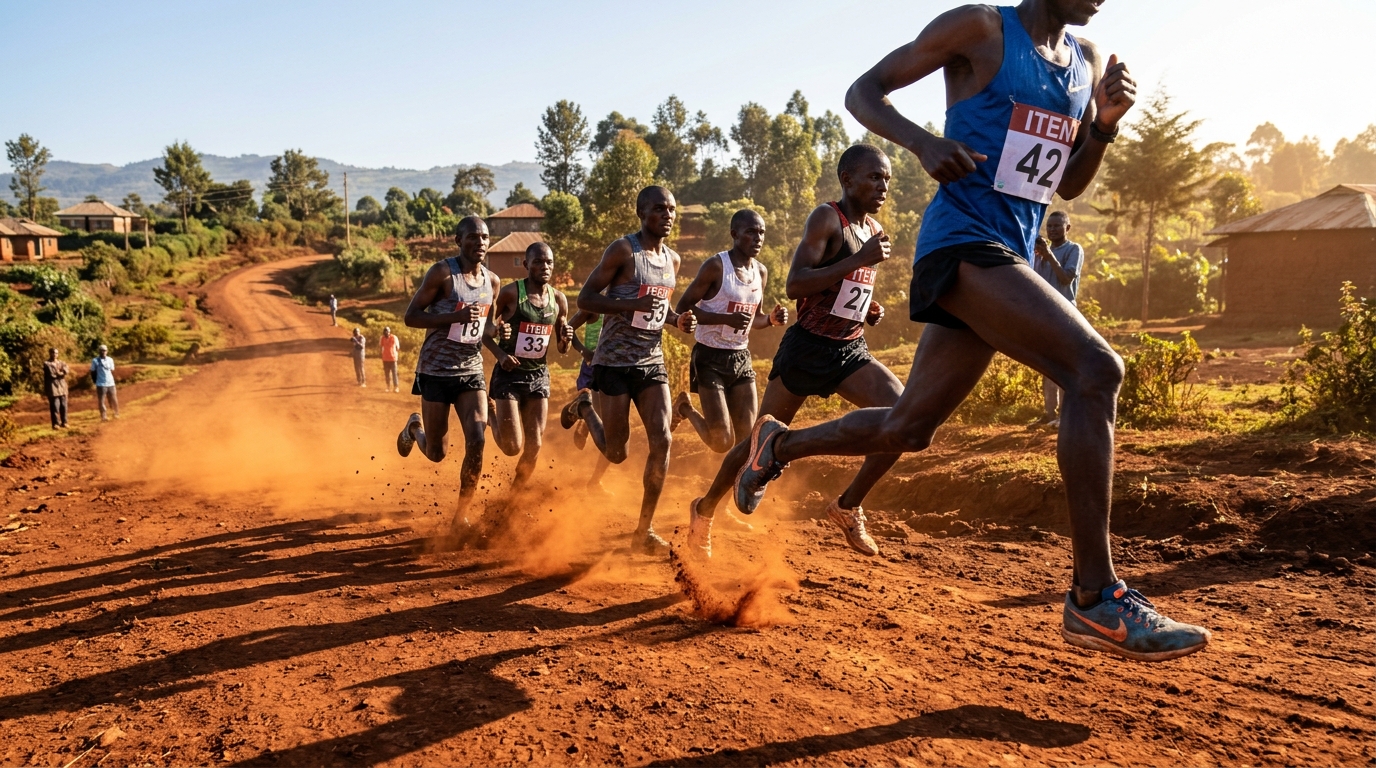

How to Train Like a Kenyan: 7 Golden Principles Every Runner Can Adopt
Training Methods
9 min read
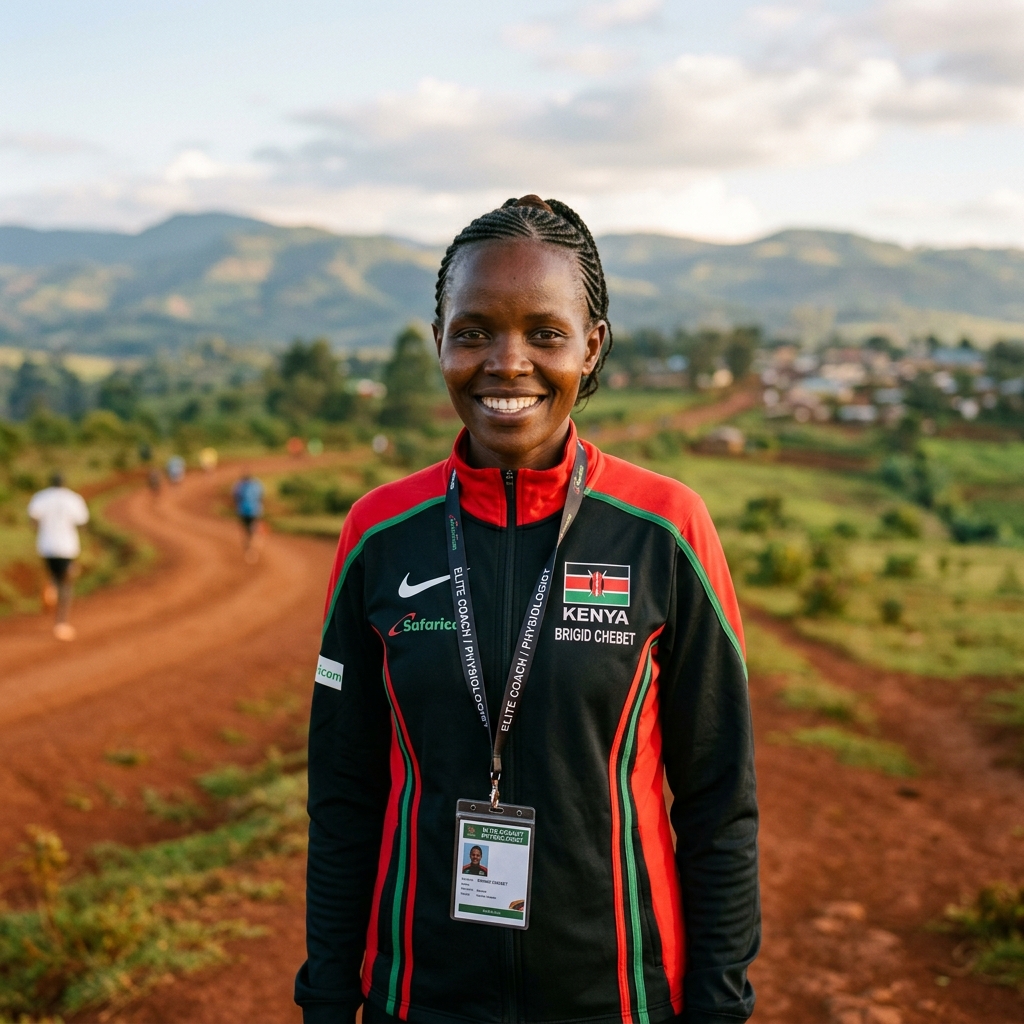
Brigid Chebet
Athletics Kenya High-Altitude Coach & Marathon Specialist
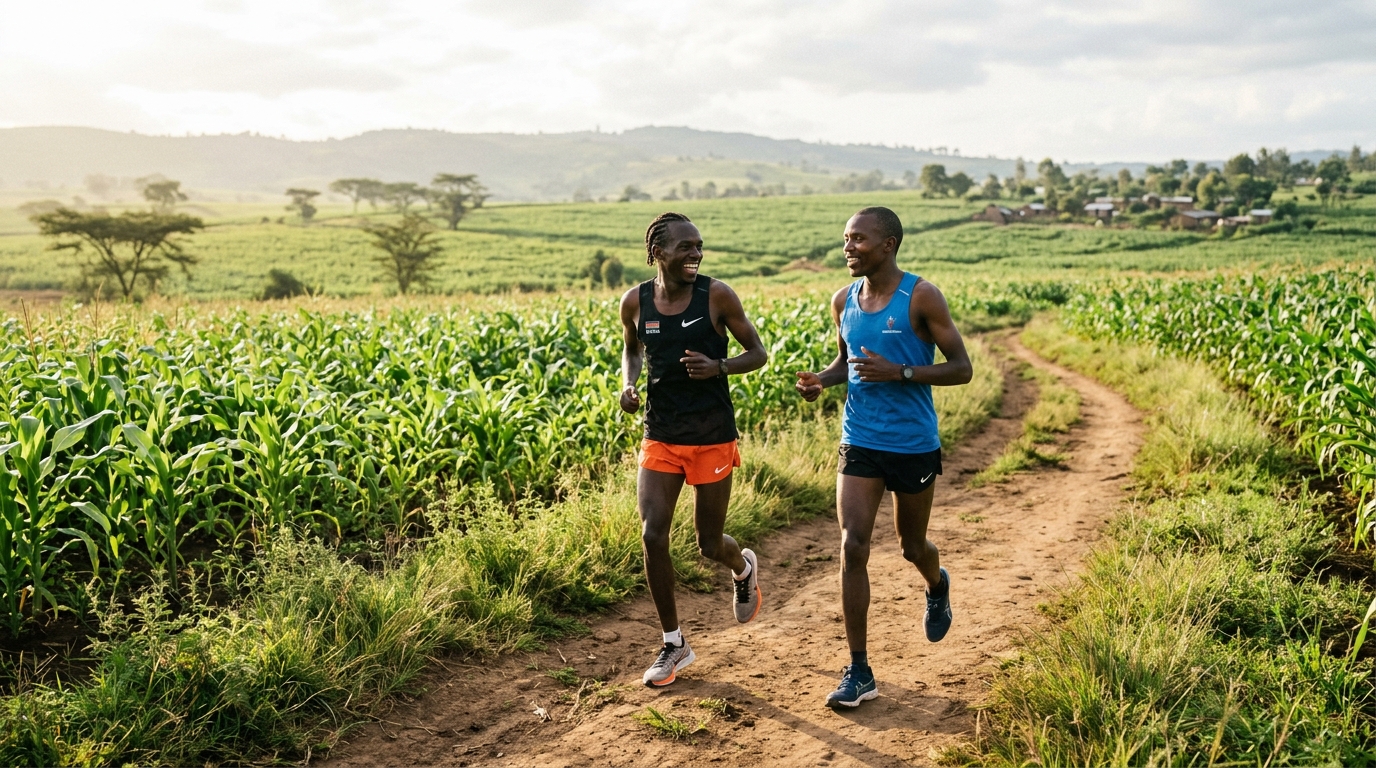
One of the greatest shocks for foreign runners arriving in Kenya is witnessing world record holders shuffling along at a pace that grandma could jog. While Western amateurs obsess over checking their watches to maintain "Zone 2", Kenyan pros leave watches at home and listen solely to their bodies.
Super-slow recovery runs stimulate capillary growth without inflicting cellular stress. By allowing blood to gently flush metabolic waste through damaged muscle fibers, Kenyan runners can absorb massive weekly volumes without breaking down.
It is common for athletes with sub-3:00/km race pace to jog at 5:30 to 6:30 min/km for the first 20 minutes of recovery runs.
Elevated cortisol, depleted glycogen, poor mitochondrial capillarization, and chronic injury risks prevent you from hitting peak targets on quality workout days.
Book all-inclusive training blocks with accommodation, meals, guided trails, and pacers.
Athletics Kenya High-Altitude Coach & Marathon Specialist
Brigid Chebet is an Athletics Kenya certified endurance specialist and marathon mentor based between Iten (2,400m) and Eldoret. With over a decade of hands-on experience guiding international runners across the Great Rift Valley, she analyzes physiological adaptations, altitude acclimatization protocols, and Kenyan training traditions.