
How Long Does It Take to Acclimatize to Altitude in Kenya? A Week-by-Week Guide
Altitude Science
6 min read
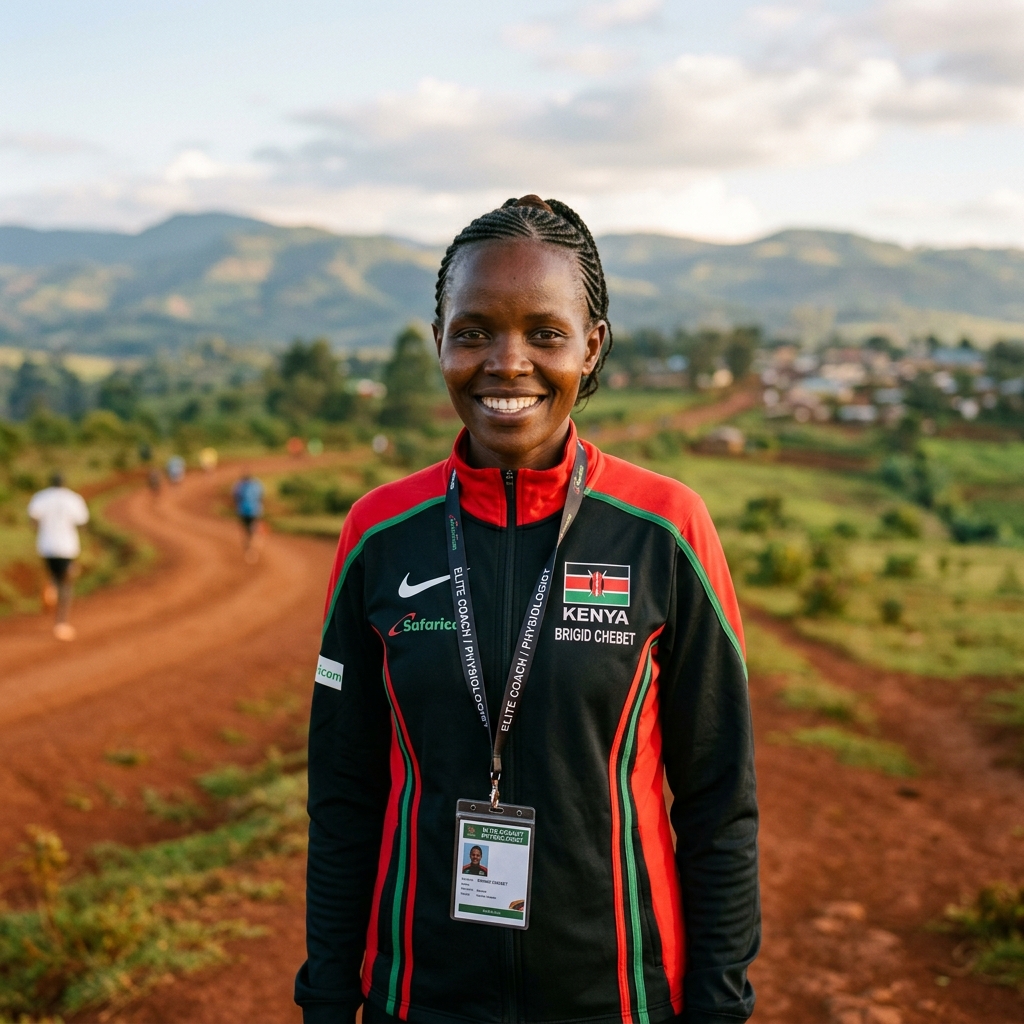
Brigid Chebet
Athletics Kenya High-Altitude Coach & Marathon Specialist
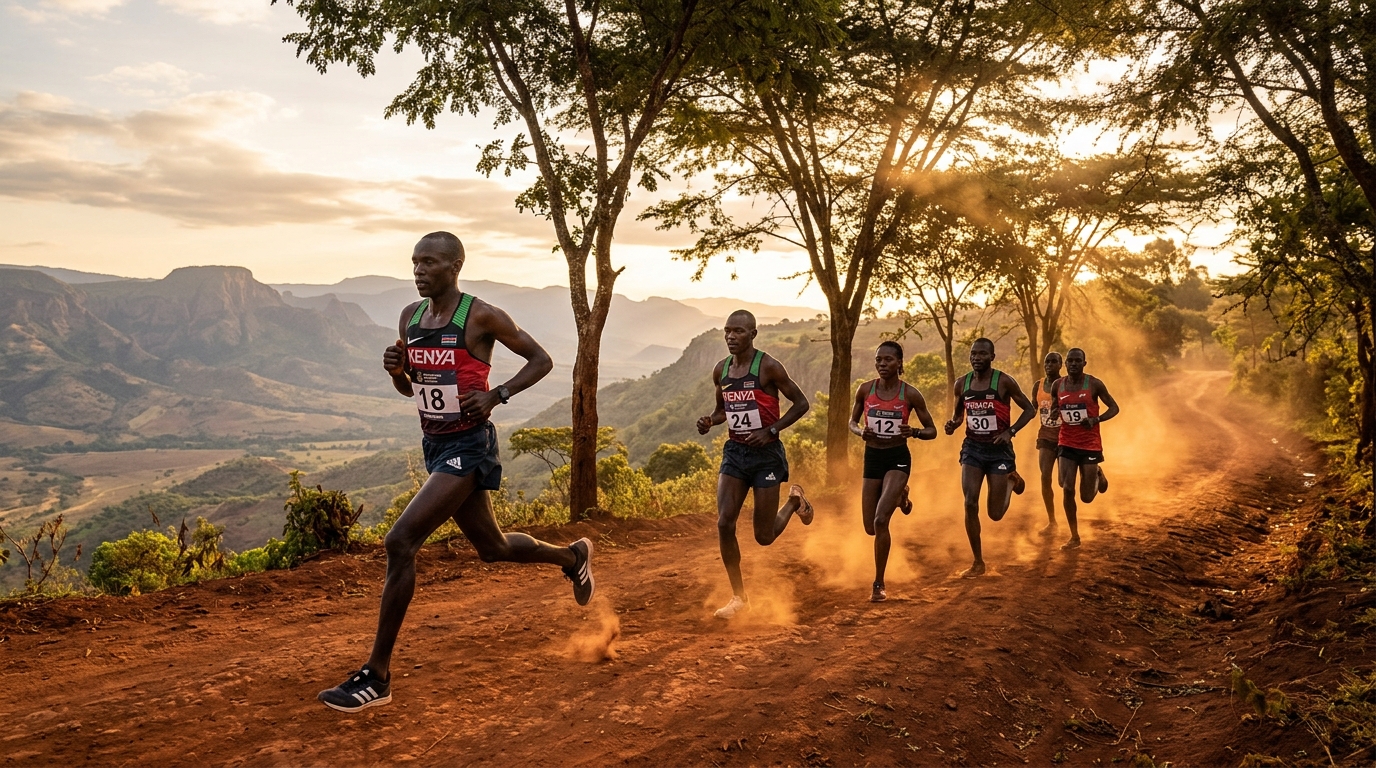
For half a century, the high-altitude plateau of western Kenya has produced more Olympic champions, marathon world record holders, and major race podium sweeps than any other place on Earth. While cultural work ethic and diet play significant roles, the cornerstone of this dominance is rooted in human physiology: the science of altitude adaptation at 2,400 meters above sea level.
At sea level, effective atmospheric pressure drives oxygen across the alveolar membranes in your lungs into your arterial bloodstream with ease. In Iten (2,400m) and Kaptagat (2,500m), air pressure drops by approximately 24%. While oxygen still constitutes 20.9% of the atmosphere, each breath contains roughly a quarter fewer oxygen molecules per volume.
This state of systemic oxygen shortage, known as normobaric hypoxia, triggers an immediate cellular survival cascade controlled by a master genetic regulator: Hypoxia-Inducible Factor 1-alpha (HIF-1α).
Within hours of arriving at Kenya’s high-altitude training camps, your kidneys sense the decreased arterial oxygen tension and dramatically ramp up the release of erythropoietin into your bloodstream. Over a sustained 4 to 8-week training camp, this natural hormonal surge elevates total hemoglobin mass and red blood cell count, dramatically expanding your blood’s oxygen-carrying capacity.
When athletes descend from Iten back to sea level, their circulatory systems behave like supercharged engines. Blood that was conditioned to extract maximum performance from thin highland air now glides through oxygen-rich coastal environments with effortless efficiency.
It is not merely the blood that transforms—the skeletal muscle tissue undergoes profound structural remodeling. Studies on elite runners training in Eldoret and Kaptagat reveal significantly elevated levels of Vascular Endothelial Growth Factor (VEGF), spurring the creation of dense capillary networks around Type I slow-twitch muscle fibers. This ensures that every drop of oxygen delivered by the bloodstream can be rapidly extracted and metabolized by the cell’s mitochondrial furnaces.
Never attempt high-intensity interval workouts during your first 5 to 7 days in Kenya. Allow systemic ventilation and cardiac output to stabilize before challenging VO2 max thresholds.
To experience these cellular benefits firsthand, athletes must follow structured periodization, combining gradual altitude acclimatization with monitored recovery and nutrition. Explore our verified high-altitude running camps in Iten and Kaptagat to book a guided, scientific training block under the supervision of Kenya’s leading coaches.
Between 2,000m and 2,500m (6,500ft to 8,200ft), which exactly mirrors Iten (2,400m) and Kaptagat (2,500m). This provides maximum erythropoietin (EPO) stimulation without severely impairing workout quality.
A structured 4-to-6 week block at 2,400m typically enhances red blood cell mass by 5-8%, leading to an aerobic capacity boost of 2-4% when competing back at sea level.
Kenya combines lifelong high-altitude living, red clay non-impact running surfaces, active childhoods, nutrient-dense natural fueling, and a deeply collaborative pack culture.
Book all-inclusive training blocks with accommodation, meals, guided trails, and pacers.
Athletics Kenya High-Altitude Coach & Marathon Specialist
Brigid Chebet is an Athletics Kenya certified endurance specialist and marathon mentor based between Iten (2,400m) and Eldoret. With over a decade of hands-on experience guiding international runners across the Great Rift Valley, she analyzes physiological adaptations, altitude acclimatization protocols, and Kenyan training traditions.