The Science of Altitude Training: Why Kenya's 2,400m Elevation Creates World Record Breakers
Altitude Science
7 min read
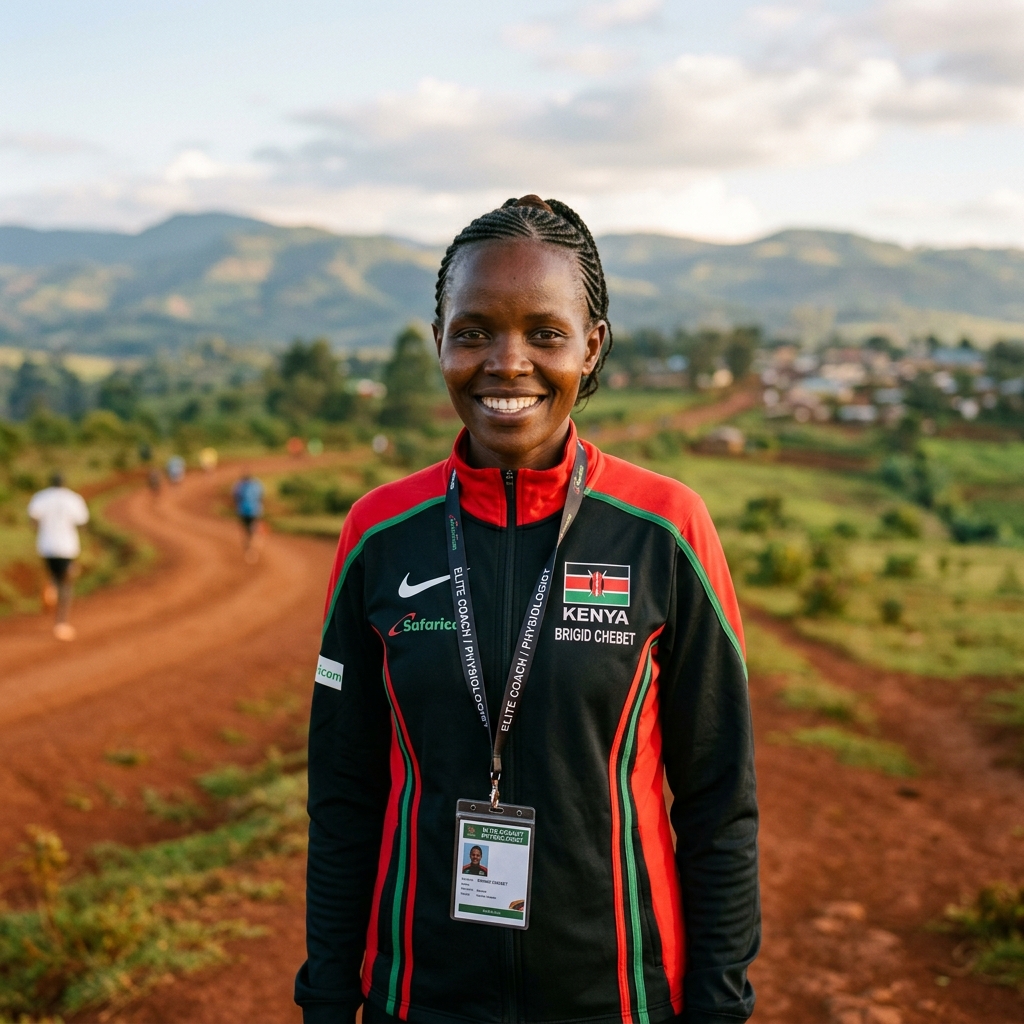
Brigid Chebet
Athletics Kenya High-Altitude Coach & Marathon Specialist
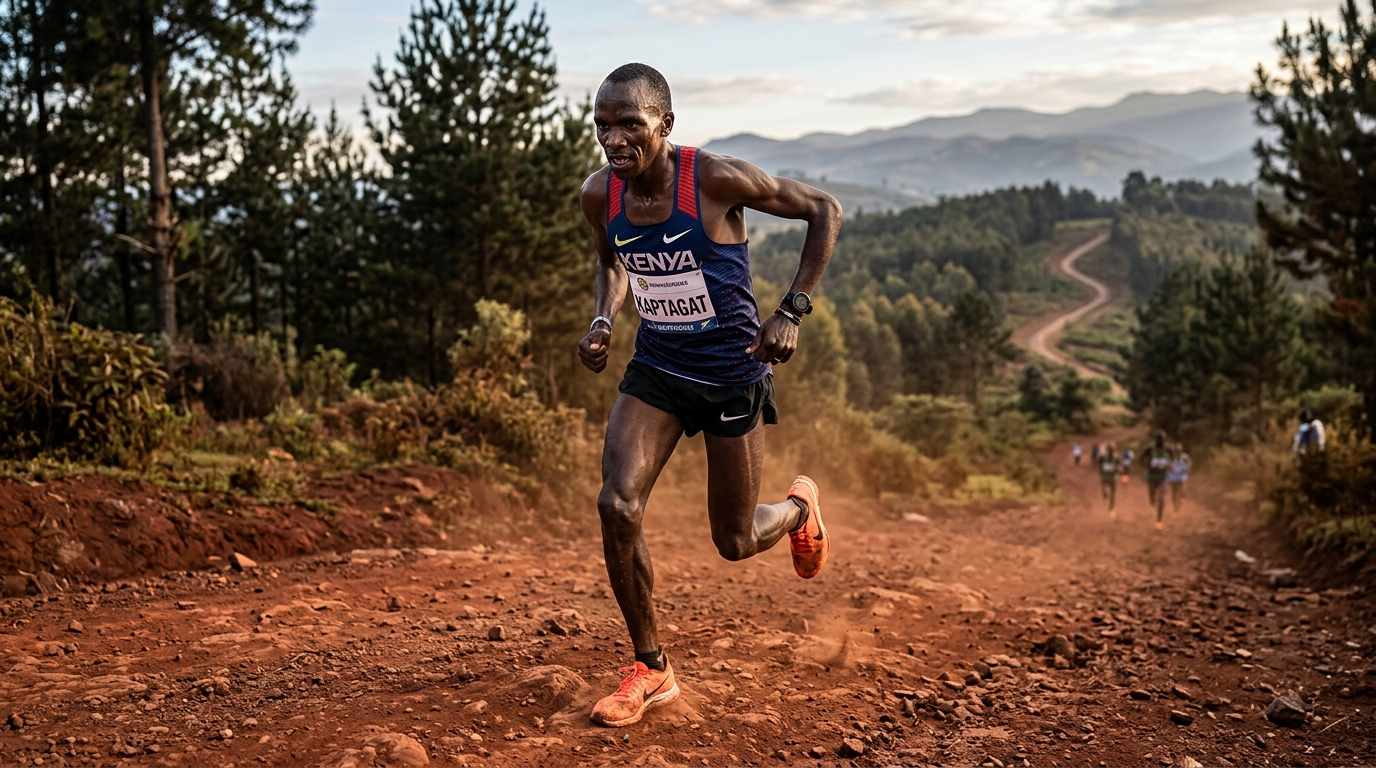
At the heart of the world’s fascination with Kenyan distance running lies a single biological metric: oxygen delivery capacity. To understand why world records continue to fall to athletes based in Iten and Kaptagat, we must examine the biochemical machinery inside their veins.
In every human cell, oxygen availability dictates gene expression. In low-oxygen highland conditions, the prolyl hydroxylase enzymes that normally degrade Hypoxia-Inducible Factor 1-alpha (HIF-1α) become inactive. HIF-1α accumulates, enters the cell nucleus, and binds to Hypoxia Response Elements (HREs) along DNA strands, turning on over 100 specialized genes responsible for erythropoiesis, angiogenesis, and glucose metabolism.
Clinical blood draws taken from visiting athletes at training camps in Eldoret show a predictable and dramatic hematological curve:
Without adequate stored iron (ferritin), your body cannot assemble hemoglobin chains, rendering the EPO surge useless. Runners heading to Kenya should ensure their serum ferritin levels exceed 50 ng/mL prior to arrival, and maintain iron-rich dietary habits with traditional Kenyan meals featuring dark greens and lean local proteins.
Yes. Hypoxia triggers the kidney peritubular interstitial cells to upregulate natural endogenous EPO synthesis without any banned artificial substances.
Elevated red blood cell mass typically persists for 14 to 28 days post-altitude camp, providing a prime racing window 2 to 3 weeks after returning home.
Book all-inclusive training blocks with accommodation, meals, guided trails, and pacers.
Athletics Kenya High-Altitude Coach & Marathon Specialist
Brigid Chebet is an Athletics Kenya certified endurance specialist and marathon mentor based between Iten (2,400m) and Eldoret. With over a decade of hands-on experience guiding international runners across the Great Rift Valley, she analyzes physiological adaptations, altitude acclimatization protocols, and Kenyan training traditions.