

The Science of Altitude Training: Why Kenya's 2,400m Elevation Creates World Record Breakers
Altitude Science
7 min read
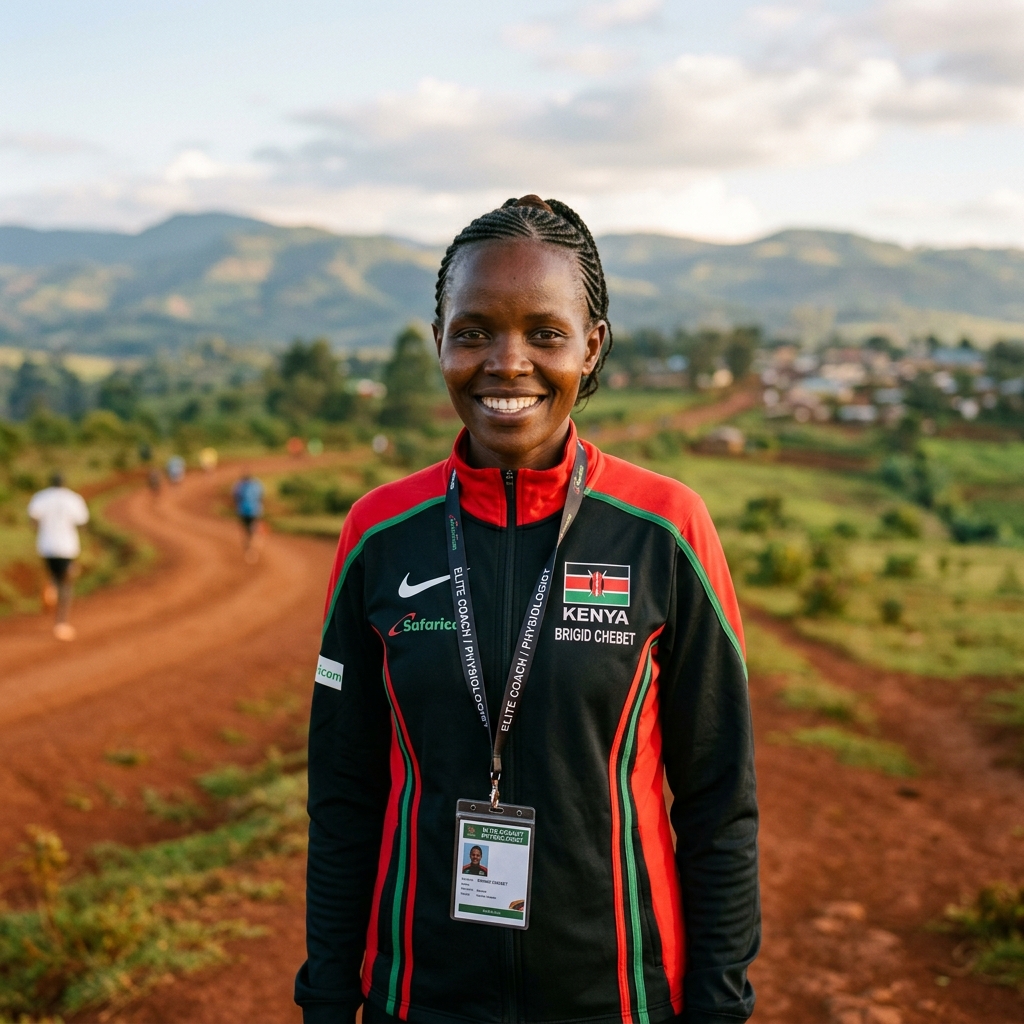
Brigid Chebet
Athletics Kenya High-Altitude Coach & Marathon Specialist

Stepping off the plane in Eldoret and driving up the escarpment to Iten at 2,400m delivers an immediate shock to the respiratory system. Even walking up a single flight of stairs feels like sprinting the final 200 meters of an 800m race. Understanding the week-by-week acclimatization timeline is essential to prevent overtraining and illness.
During the first 72 hours, your resting heart rate will rise by 8 to 15 beats per minute as your body attempts to compensate for lower arterial oxygen saturation. Breathing frequency increases, expelling more carbon dioxide and shifting blood pH toward mild respiratory alkalosis.
By the second week, initial headaches and breathlessness subside. Kidneys are secreting peak levels of erythropoietin (EPO), stimulating the bone marrow to produce new reticulocytes. You can now begin incorporating light aerobic strides (4 to 6 x 100m on grass) and extending easy run volume up to 60 minutes.
With red blood cell volume steadily expanding, athletes can introduce structured threshold efforts. The famous Thursday Kenyan Fartlek (such as 15 x 1 minute on / 1 minute off) can be completed without catastrophic oxygen debt, provided recovery segments remain genuinely relaxed.
From day 28 onwards, your physiological machinery operates in harmony with the highland environment. You are now ready to tackle 30km+ weekend long runs across Eldoret’s rolling plateaus and high-volume track interval sessions at Kipchoge Keino Stadium.
Take 24 to 48 hours of complete rest upon arrival in Eldoret or Iten before taking your first easy 30-minute jog.
A minimum of 21 days (3 weeks) is required for measurable hematological adaptations. 4 to 8 weeks provides optimal physiological transformation.
Book all-inclusive training blocks with accommodation, meals, guided trails, and pacers.
Athletics Kenya High-Altitude Coach & Marathon Specialist
Brigid Chebet is an Athletics Kenya certified endurance specialist and marathon mentor based between Iten (2,400m) and Eldoret. With over a decade of hands-on experience guiding international runners across the Great Rift Valley, she analyzes physiological adaptations, altitude acclimatization protocols, and Kenyan training traditions.