The Science of Altitude Training: Why Kenya's 2,400m Elevation Creates World Record Breakers
Altitude Science
7 min read
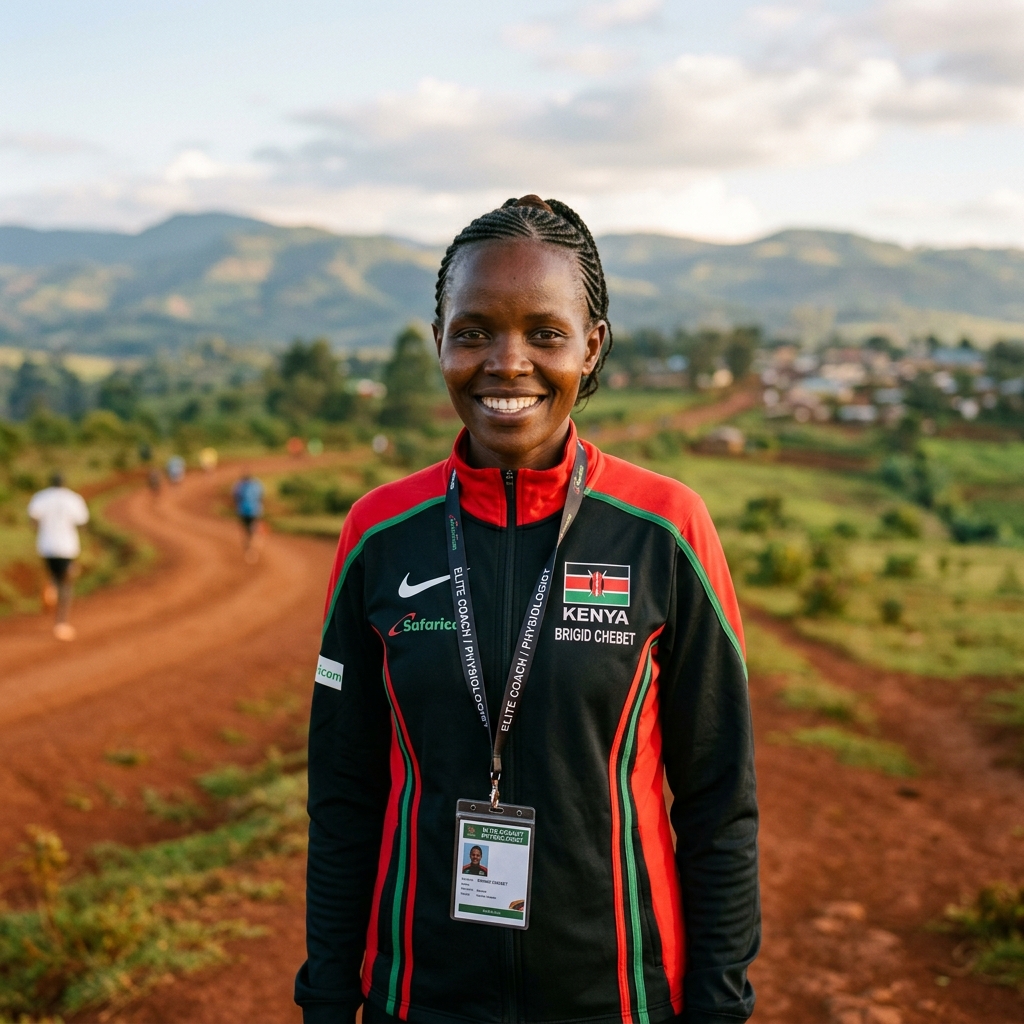
Brigid Chebet
Athletics Kenya High-Altitude Coach & Marathon Specialist

Every year, talented foreign runners travel to Iten with sky-high ambitions, only to find themselves fatigued, cramp-ridden, or sick within ten days. The culprit is almost never lack of motivation—it is poor hydration and recovery management in high-altitude equatorial conditions.
At 2,400m elevation, cold morning temperatures and brisk highland breezes mask sweat evaporation. You lose significant water through respiratory exhalation without realizing it. By the time you feel thirsty, you are already operating at a 2% to 3% fluid deficit.
Drinking gallons of plain water without adequate sodium and potassium causes hyponatremia and sluggish cellular fluid uptake. Kenyan athletes consume salted broths and electrolyte-rich mineral water between workout sessions.
There is a physiological reason Kenyan runners drink hot milk tea twice daily. Fresh, whole highland milk supplies casein and whey proteins for muscle repair, while raw cane sugar and spiced tea replenish depleted glycogen stores.
In Iten and Kaptagat, the training schedule follows a strict cadence: 6:00 AM run, 8:30 AM breakfast, followed by a mandatory 90-minute sleep block. At altitude, deep restorative sleep is where growth hormone is released to repair micro-trauma.
Because tissue oxygenation is reduced, muscle glycogen takes 24% longer to resynthesize at 2,400m. Every hard fartlek or long run must be followed by a day of true active recovery.
Low atmospheric humidity combined with increased breathing rates causes accelerated respiratory water loss, even when you do not feel sweaty.
Sweet spiced Kenyan black tea with fresh whole cow milk (chai) provides the ideal 4:1 carbohydrate-to-protein recovery ratio alongside natural electrolytes.
Book all-inclusive training blocks with accommodation, meals, guided trails, and pacers.
Athletics Kenya High-Altitude Coach & Marathon Specialist
Brigid Chebet is an Athletics Kenya certified endurance specialist and marathon mentor based between Iten (2,400m) and Eldoret. With over a decade of hands-on experience guiding international runners across the Great Rift Valley, she analyzes physiological adaptations, altitude acclimatization protocols, and Kenyan training traditions.