

The Science of Altitude Training: Why Kenya's 2,400m Elevation Creates World Record Breakers
Altitude Science
7 min read
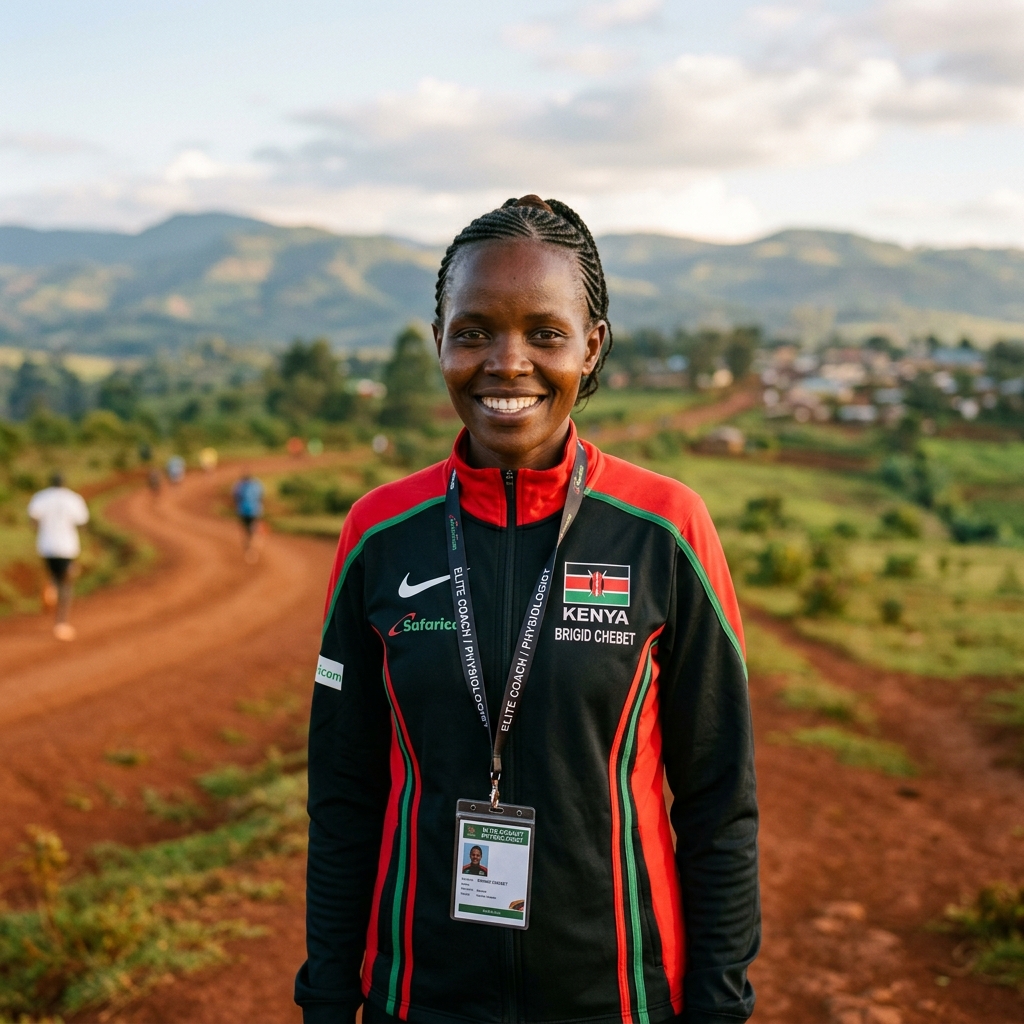
Brigid Chebet
Athletics Kenya High-Altitude Coach & Marathon Specialist

While Kenya’s running capitals sit below the danger thresholds for High Altitude Pulmonary Edema (HAPE), the transition from sea level to 2,400 meters can still trigger acute mountain sickness if not handled with medical vigilance.
Monitor your body each morning using the Lake Louise Altitude Sickness Score. Warning signs include:
When our camps receive athletes at Eldoret International Airport (2,100m) and transfer them to Iten (2,400m), we enforce the Rule of Low Exertion: zero running for the first 24 hours, gentle 20-minute flat walks on Day 2, and monitored pulse-oximeter readings before clearance for easy jogging.
Mild symptoms (headache, lightheadedness, disrupted sleep) affect about 30% of visitors in the first 48 hours, but severe AMS is rare at 2,400m if properly paced.
Acetazolamide (Diamox) is rarely required at 2,400m; gradual acclimation, low-intensity training, and hydration are the safest and most effective approaches for endurance runners.
Book all-inclusive training blocks with accommodation, meals, guided trails, and pacers.
Athletics Kenya High-Altitude Coach & Marathon Specialist
Brigid Chebet is an Athletics Kenya certified endurance specialist and marathon mentor based between Iten (2,400m) and Eldoret. With over a decade of hands-on experience guiding international runners across the Great Rift Valley, she analyzes physiological adaptations, altitude acclimatization protocols, and Kenyan training traditions.